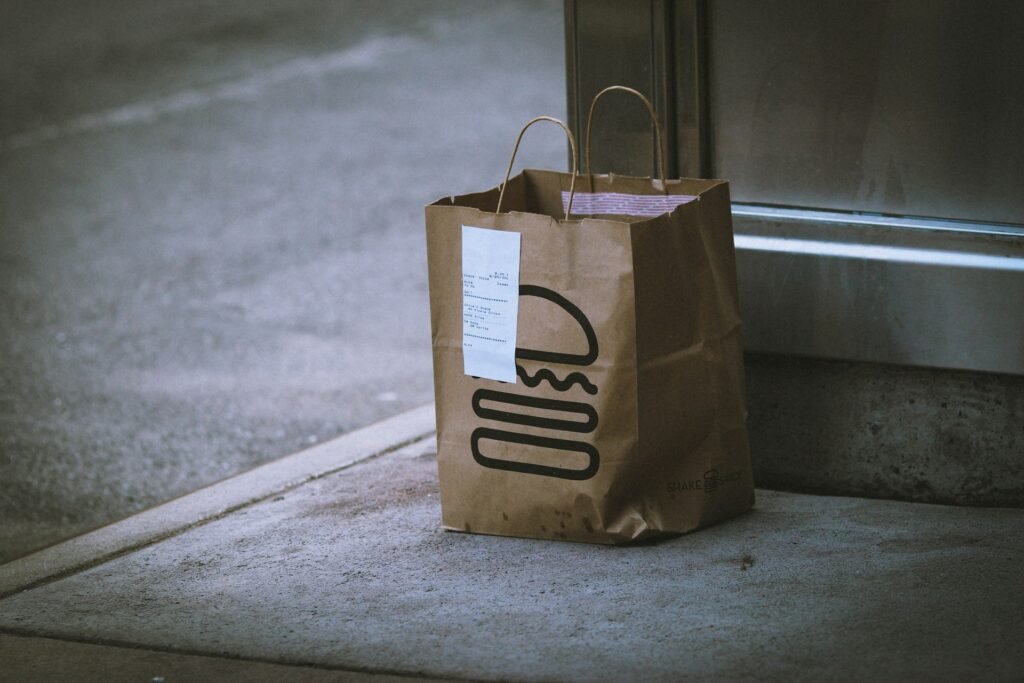
Grocery delivery fees can make a small advertised discount disappear. Before you compare services, build a basket of the same essentials and review its final cost. Pay attention to item prices, packing or service charges, delivery, optional tips and how the retailer handles unavailable products.
Use one shopping list across services
Compare brands, quantities and package sizes, not just the number of products. If one service lists a larger pack, work out the price per unit. Check whether sale prices match the delivery listing and whether a promotion requires a minimum basket of eligible items rather than all items.
Add every checkout charge
Look for delivery fees, small-order fees, handling and surge charges. A membership can help frequent shoppers, but divide its cost across orders you genuinely expect to place. Avoid adding unnecessary items solely to cross a free-delivery threshold; the extra spend can exceed the fee you were trying to avoid.
Plan for substitutions and refunds
Choose whether substitutions are allowed and what price difference you will accept. Review the procedure for damaged, missing or unsuitable groceries, especially perishables. If a coupon depends on a minimum basket, a substitution or removed item might affect eligibility. Keep the final receipt for comparison with the estimate.
Before you decide
- Match pack sizes and units.
- Include all checkout and optional charges.
- Set substitution preferences before placing the order.
Bottom line: Match pack sizes and units. Include all checkout and optional charges. Check the live retailer terms before paying because prices, stock, shipping and promotions can change.